
Leg Room / Choosing a pair
Choosing trousers from catalog cards, from the shop to the agent
What we look at before paying for a trouser listing: the shop behind it, the listing itself, the catalog site that led you there and the agent that carries the order.
Sizing up a trouser shop before you buy
Choosing a seller starts with what the listing page shows without a login. From outside China, Taobao and Tmall often ask for a sign-in before showing sales counts and reviews, so much of the usual seller rating is out of view. What stays visible is the shop’s own photo set, its option menu and its size chart.
Four signals help. A shop that photographs its own stock, on the same floor or rail across listings, has the goods in hand. A size chart in centimeters for every size, rather than one generic chart, suggests the shop measured its own cut. An option menu whose labels match its photos means fewer mix-ups. A listing that states when it ships (发货时间) tells you whether the cut is in stock or sewn to order.
Signals we treat with care: photos from many different backdrops and lighting setups, which usually means borrowed images, and prices far below everything else on the shelf for the same cut, which usually means a different fabric or a different product altogether.
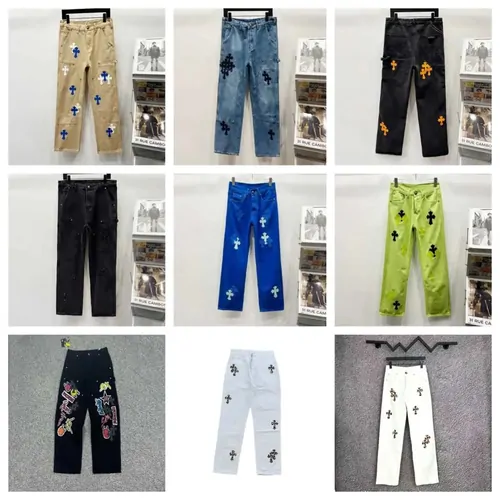
One trouser listing, read from option photo to size chart
Judging a listing before you commit to it is mostly a matter of reading it in a fixed order. Start with the photo of the exact option you want, not the lead photo. Then the size chart. Then the text printed on the photos, which on Chinese listings often states fabric, lining and fit. Then the option labels again, to be sure the one you click is the one you looked at.
For trousers, three details deserve a second look: where the waistband sits in any model photo, whether the hem is cuffed, open or flared, and whether the length in the chart suits your inseam. Our tags cover the first two where a photo shows them; the third is yours to measure.
Write down what you decided. The option label, the size, the color and the measurement you expect all go into the order note. If a dispute comes later, that note is what the agent and the seller will read.
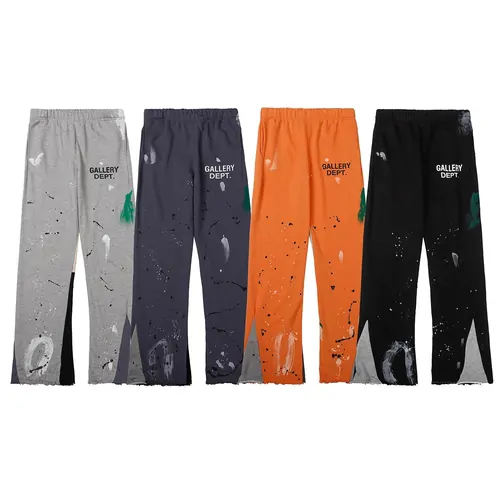
Testing whether a trouser catalog earns its keep
What makes a useful spreadsheet site, for us, is easy to state and harder to find: it saves you time and tells you something the listing does not. For trousers that means cards tagged by cut, a date on every price, links that load, and titles written by someone who looked at the photo instead of copying the seller.
Four checks we apply to any catalog site, this one included. Does every price carry a date? Does each outbound link reach the listing it describes? Are the card titles free of maker names and hype? Does the site say who keeps it and how to reach them? The about page shows how Leg Room meets each one.
Warning signs: catalog sites that rank items, promise the lowest price, or never update their dates. A catalog nobody has touched in months is still showing prices from months ago.
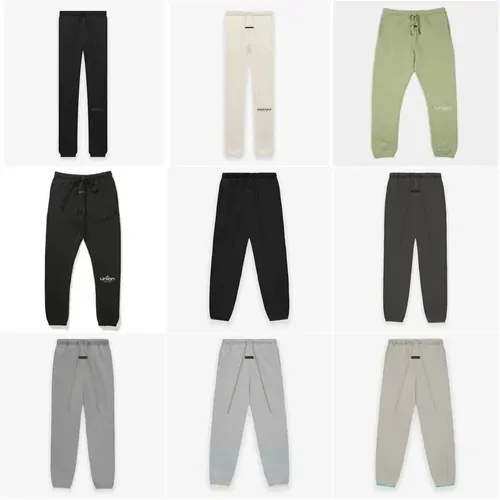
Choosing an agent to carry a trouser order
Every agent does the same basic job, so choosing an agent comes down to the terms around it. For trousers the points worth comparing are how a pasted link is read, how long an item can wait in the warehouse for free while you gather the rest of an order, how soon after arrival a return has to be requested, and what the arrival photos include.
Read each of those on the agent’s own help pages and write down the day you read them, because they change. The agents page sets four agents side by side on three of those points with dates and sources, and says plainly where one comes out behind.
Two cautions. An agent’s warehouse photos show the item, not the fit. And an agent cannot make a seller accept a return the seller does not offer.
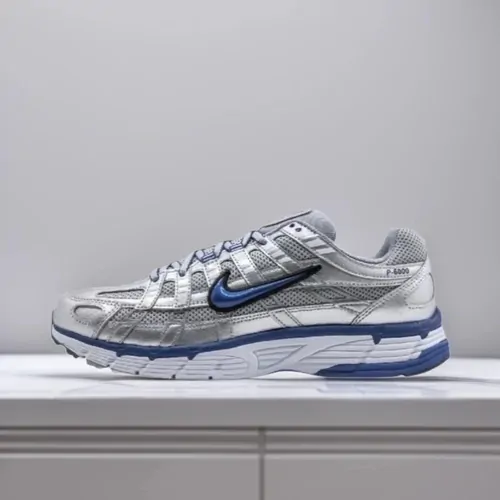
Arrival photos of a pair, checked four ways
When a pair reaches an agent’s warehouse, the arrival photos, usually called QC photos, are the first look at the actual item instead of the seller’s pictures. What to look for in trouser QC photos comes down to four questions, worth going through before you approve the item for shipping.
Is it the right option? Compare the color, the wash and any decoration with the screenshot you saved when ordering. Is it the right size? Find the size label inside the waistband or on the swing tag, and if the agent laid a tape across the waist, double the flat figure and compare it with the chart. Is the cut right? A flat photo shows the knee and hem widths, so check them against what you ordered. Is anything damaged? Look along the seams at the crotch and pockets, at the zip or buttons, and at the hem.
If any of those stays unclear, ask for another photo before the item leaves the warehouse; a return is far easier to arrange from there than from your door. AllChinaBuy’s archived guide described photos on arrival and contact about problems; for agents taking orders now, see the agents page.
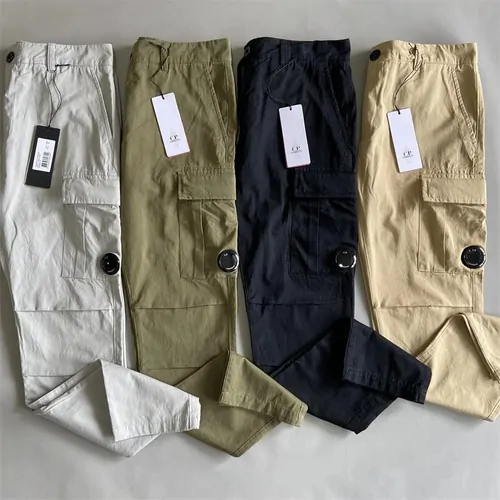
Seven details to pin down ahead of payment
- Measure a pair you own and compare in centimeters; size labels change from shop to shop.
- Copy the option label exactly, Chinese characters included, into the order note.
- Check whether the pair is lined, thicker or thin; one photo often covers all three versions.
- Look at the ankle. Cuffed, open or flared changes the look more than the color does.
- Check whether the price shown belongs to your option or to the cheapest one.
- Ask for an arrival photo of any detail you care about, such as a patch or a back pocket.
- Avoid buying two sizes to be sure unless the shop and the agent both accept returns inside the window you need.
The easiest mistake to make is treating the lead photo as the item. On collection listings it is often a different option altogether, at a different price.
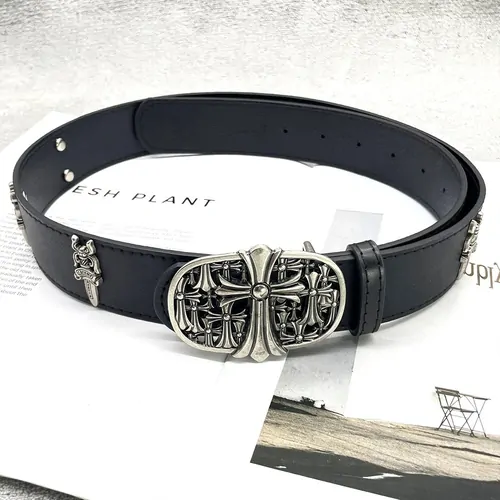
Turn a size chart into a buying decision
Start with the dimension that cannot be rescued by styling. A belt can take up some waist slack; it cannot add room through the thigh or lengthen an inseam. Compare like for like and decide which measurement is a hard limit for you.
| What you see | What to establish | Useful next move |
|---|---|---|
| One chart for several cuts | Whether each option uses that chart | Ask the seller which chart applies to the exact option. |
| Elastic waistband | Whether the number is relaxed or stretched | Compare the same state on a pair you own. |
| Model wearing a wide leg | The garment measurements and model size | Do not infer fit from the pose or the headline size. |
| Warehouse photo with a tape | Where the tape starts, whether it lies flat and which seam is measured | Ask for the missing angle before deciding to keep the item. |
Wrong item and unwanted fit are different problems
If the agent ordered one size and the seller supplied another, keep a photo of the label alongside the saved order option and ask for an error review. If the correct size arrived but its cut is not what you hoped, ask whether a voluntary return is available and what it costs. The photos, the purchase record and the seller’s rules determine the next step; a general expectation about fit does not.
Raise either issue while the item is still in the warehouse. After export, a low item price can be outweighed by return freight and handling. If the item is personalised, used or sold with a no-return condition, establish that before the first payment.